Lotus 3D SVG: A Designer's Review for Layered Projects
As a designer who spends more time staring at stitch maps and material samples than I do sleeping, I approach every new digital embroidery file with a mix of excitement and skepticism. We have all been there: you buy a beautiful design, load it onto your machine, and halfway through the run, you realize the density is wrong or the details are too fine for the fabric. That is why I took a close look at the Lotus 3D SVG Multilayer Laser Files. While the title suggests this is primarily intended for Laser Cutting and Wall Decor, my job is to see beyond the label. Can a seven-layer vector design translate into a stunning embroidery project? Does it hold up under the needle, or is it strictly for the laser cutter? Let's break down how this asset performs in the real world of custom apparel and handmade goods.
The First Impression: Mood and Structural Integrity
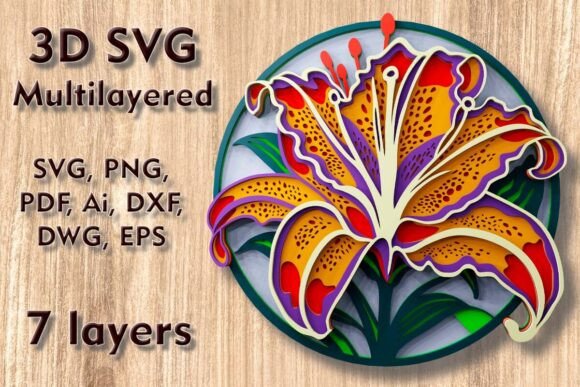
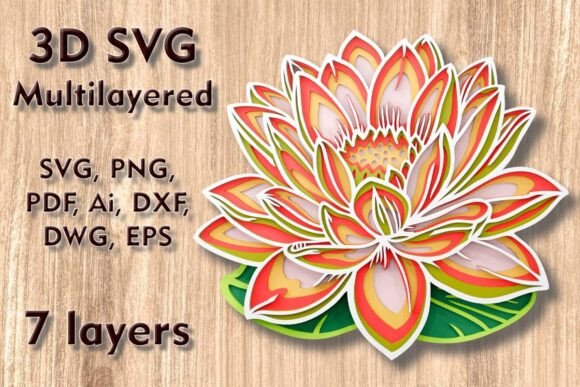
When I first opened the file, the immediate takeaway was the structural complexity. The design features seven distinct layers, creating a depth that is rare in standard machine embroidery designs. The lotus theme brings a sense of calm and elegance, making it perfect for boutique branding or high-end personalized gifts. Visually, the layout is balanced, with a width of 250mm and a height of 220mm (roughly 9.85 x 8.7 inches). This is a substantial size. It commands attention without feeling cluttered.
However, from an embroidery standpoint, "multilayer" usually implies a need for careful planning. In laser cutting, layers mean stacked wood or acrylic. In embroidery, layers mean multiple color changes, potential jump stitches, and a heavy reliance on proper stabilization. The visual personality of this lotus is organic and flowing, which is excellent for satin stitch work on the petals, but the intricate inner details might require a switch to fill stitch or even running stitch depending on how you digitize it for thread. If you are using this as-is for a laser project, the precision is likely spot-on. For embroidery, it demands a skilled hand to interpret those vectors into thread.
Real-World Application: The Custom Tote Bag Scenario
To truly test the viability of this design, I imagined a specific client request: a custom embroidered tote bag for a local yoga studio. The client wanted something that felt premium, not like a cheap promotional item. This is where the Lotus 3D SVG Multilayer Laser Files shines as a concept, provided you adapt it correctly.
For a tote bag design, the large dimensions are a major advantage. Most standard designs top out at 4 or 5 inches, leaving a lot of dead space on a canvas bag. At nearly 10 inches wide, this lotus covers the front panel beautifully. I envisioned using a heavy-duty cotton canvas. The seven layers of the original file could be interpreted as seven shades of pink and purple thread, creating a gradient effect that mimics the depth of a laser-cut shadow box.
Imagine the finished product: a sturdy bag with a large, textured lotus that catches the light differently as the customer moves. It elevates the perceived value of the handmade product instantly. Customers are willing to pay more for items that look complex and thoughtful. However, executing this requires checking the stitch density. If you simply fill every layer densely, the bag will become stiff and unwearable. You would need to use open-fill patterns or strategic spacing to maintain the drape of the fabric while keeping the visual impact of the seven layers.
Navigating Fabric Challenges and Hoop Limitations
While the potential is high, there are practical hurdles you must consider before committing to a production run. The product description explicitly warns: "be careful in reducing the design, consider thin elements." This is critical advice for any Etsy seller or craft business owner. If a customer asks for this lotus on a baby onesie or a cap, you cannot simply shrink the file. The thin elements of the petals would vanish under the thread bulk, resulting in a muddy, indistinct blob.
For baby embroidery or small embroidered patches, you would need to completely re-digitize the design, simplifying the seven layers into perhaps three broader sections. Furthermore, the sheer size of the design means you are limited by your hoop size. A standard 5x7 hoop will not accommodate this. You are looking at needing a large hoop, possibly stitching in sections if your machine supports it, or choosing projects like sweatshirt embroidery, pillow covers, or wall hangings where the large format is an asset rather than a liability.
Textured fabrics also pose a risk. If you attempt this on a thick terrycloth towel or a fuzzy fleece blanket, the fine details between the layers might get lost in the pile. This design works best on smooth, stable fabrics like twill, denim, or tight-weave cotton. For stretchy fabrics like jersey t-shirts, a robust stabilizer is non-negotiable. Without it, the weight of seven layers of thread could cause the fabric to pucker or distort permanently.
Commercial Value and Brand Consistency
From a business perspective, utilizing a design like this can significantly boost your brand consistency. If you run a shop specializing in spiritual or wellness products, the lotus motif is instantly recognizable. Using a high-quality, multi-layered version sets you apart from competitors using generic, single-color clipart. It signals professionalism.
When creating printable mockups for your online store, the depth of this design photographs exceptionally well. The shadows created by the layered concept (whether achieved through actual thread buildup or clever shading in your digitizing) add a three-dimensional quality to your marketing images. This increases buyer engagement and trust. A customer scrolling through an Etsy listing is more likely to click on a product that looks substantial and well-crafted.
However, remember that this file is marketed as Laser Cutting files. Before selling finished items, you must verify the licensing terms. Can you use these SVGs for commercial embroidery? Often, designers sell laser files with different usage rights than embroidery-specific files. Ensure you have the right to modify and sell the stitched version. If the license is unclear, reach out to the creator. Protecting your craft business from legal issues is just as important as the quality of your stitching.
Final Verdict and Designer Notes
The Lotus 3D SVG Multilayer Laser Files is a powerful asset, but it is not a "load and go" solution for embroidery machines. It is a raw material that requires a designer's touch to transform from a cut-file concept into a threaded reality.
If you are ready to take on the challenge, here are my practical notes for success:
- Test on scrap fabric first: Never run this on a final garment without a trial. Check how the thread interacts with your specific material.
- Check thread color contrast: With seven layers, ensure adjacent colors are distinct enough to define the shape. Too similar, and the layers merge visually.
- Review stitch density: Reduce density in larger fill areas to prevent stiffness and thread breaks.
- Confirm hoop size: Ensure your machine can handle the 9.85 x 8.7-inch dimensions or plan for a multi-hoop strategy.
- Inspect small details: Zoom in on the vector paths. If lines are too close, they may bridge with thread.
- Mockup in black and white: This helps you see if the shape holds up without relying on color differentiation.
- Compare backgrounds: Test how the design looks on both light and dark fabrics; you may need underlay adjustments for dark goods.
- Use proper stabilizer: Given the size and potential weight, a cut-away stabilizer is likely safer than tear-away for long-term durability.
In conclusion, while this product is categorized for Wall Decor and laser applications, its aesthetic value for commercial embroidery is undeniable. With the right adjustments and a respect for its complexity, it can become a signature piece in your portfolio of custom apparel and holiday embroidery gifts. Just remember: the file provides the blueprint, but your expertise builds the house.