Ginger Cat 3D SVG: A Designer's Review for Layered Projects
As a designer who spends more time hooped up at the machine than I do away from it, I approach every new machine embroidery design with a mix of excitement and skepticism. We have all seen files that look stunning on a screen but turn into a thread-breaking nightmare once the needle hits the fabric. Today, I am evaluating the Ginger Сat 3D SVG Multilayer Cut Files. While the product title explicitly mentions Laser Cutting and Wall Decor, my job is to translate this layered vector art into the realm of textile arts. Can a file built for six layers of wood or acrylic translate into a high-value handmade product using fabric, thread, and stabilizer? Let's dig into the practical reality of using this asset for real client work.
First Impressions: Mood and Visual Personality
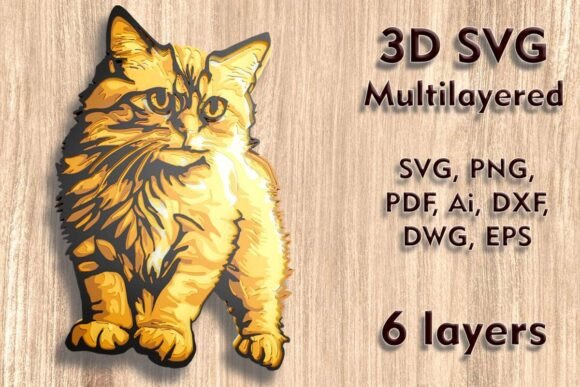
The first thing that strikes me about the Ginger Сat 3D SVG Multilayer Cut Files is its dimensional potential. The description notes a size of 290mm height by 190mm width (roughly 11.5 x 7.5 inches), which is substantial. In the world of embroidery project planning, this scale immediately suggests statement pieces rather than subtle accents. The "6 M" layer count indicates a complex build, likely creating deep shadows and a pronounced 3D effect when assembled. For a cat lover or a boutique owner specializing in whimsical home goods, this design exudes warmth and playfulness. It feels right at home in a nursery setting or as a focal point for a cozy living room throw pillow. However, the complexity of six distinct layers means we are not dealing with a simple running stitch outline; this requires strategic thinking regarding how those layers will interact with fabric texture and thread density.
Real-World Application: From Vector to Stitch
To truly test the viability of this design, I imagined a specific scenario: creating a custom sweatshirt embroidery piece for a local pet boutique. The client wanted a bold, textured graphic that stood out against a heavy cotton blend. While the original file is optimized for laser cutting, adapting it for embroidery involves treating each "layer" as a separate color block or appliqué section.
If I were to digitize this for a tote bag design or a heavy canvas apron, the large surface area allows for generous fill stitch work without overcrowding. The ginger theme naturally calls for warm oranges, creams, and perhaps a contrasting dark brown for definition. In a commercial embroidery context, this design could easily become a signature item for an Etsy seller looking to differentiate their small shop product line. The visual weight of the design commands attention, making it perfect for holiday gifts or personalized items where the recipient expects a "wow" factor. However, one must be careful; a design intended for rigid materials like wood behaves differently on soft goods. The drape of the fabric must be considered so the finished piece doesn't feel like a stiff board sewn onto a shirt.
Navigating Fabric and Hoop Constraints
Here is where professional judgment comes into play. The product description warns that while the size is easily increased, one must be careful when reducing the design due to thin elements. This is critical advice for any embroidery file adaptation. If you attempt to shrink this 11.5-inch design down to fit a standard 4x4 hoop for a baby onesie, you risk losing the integrity of those fine details. Thin bridges between layers that cut perfectly on a laser may collapse under the tension of a satin stitch or become indistinguishable blobs of thread on a textured fabric.
For curved surfaces like caps or hats, this design presents a challenge. The sheer height (290mm) exceeds most cap frames, and the multi-layer nature might create uncomfortable bulk against the wearer's head. I would advise against using this for headwear unless you significantly modify the layering strategy. Similarly, on stretchy fabrics like jersey knits, the density of six layers worth of stitching (or appliqué backing) requires a robust stabilizer system. Without proper support, the design could pucker the garment, ruining the finished product. Dark fabrics offer a great backdrop for the ginger tones, but you must ensure your thread colors have enough contrast to define the layers, or the 3D effect will be lost in shadow.
Enhancing Brand Value and Customer Trust
Using a distinctive design like the Ginger Сat 3D SVG Multilayer Cut Files can significantly boost the perceived value of your custom apparel or home decor line. Customers associate intricate, multi-dimensional visuals with higher craftsmanship. When executed correctly, this design signals professionalism. It tells the buyer that the maker understands depth, shading, and composition. For digital product sellers who might offer this as a hybrid project (laser cut elements attached to embroidered bases), it opens up a niche market of mixed-media crafts.
However, consistency is key. If you sell this as a premium item, the stitching clarity must be flawless. Loose threads or poorly registered layers in a multi-step process can erode customer trust. For commercial embroidery runs, ensuring that every unit looks identical requires rigorous quality control. The "giftability" of this item is high; it fits perfectly into categories for housewarmings, new pet owners, or cat enthusiasts. A well-presented printable mockup showing this design on a plush pillow or a structured tote can drive engagement and sales before the first stitch is even made.
Practical Notes for the Serious Maker
Before committing to a production run or promising this design to a client, there are several non-negotiable steps I recommend:
- Test on Scrap First: Never skip the sample phase. Stitch the design on the exact fabric weight you intend to use to check for puckering or registration issues.
- Check Licensing: Since this is marketed as a cut file, verify if the license permits conversion to embroidery formats for commercial sale. Intellectual property rights vary by creator.
- Evaluate Stitch Density: If digitizing manually, ensure the stitch density isn't too high for the fabric, which can cause perforation or stiffness.
- Hoop Size Verification: Confirm that your machine's maximum hoop size can accommodate the 290mm height, or plan for a seamless re-hooping strategy if breaking it into sections.
- Contrast Testing: View your digital mockups in black and white to ensure the layers distinguish themselves clearly without relying solely on color.
- Stabilizer Selection: Given the potential weight of a multi-layer interpretation, opt for a cut-away stabilizer for long-term durability, especially for items that will be washed frequently.
In conclusion, the Ginger Сat 3D SVG Multilayer Cut Files offers a compelling foundation for creative entrepreneurs willing to adapt its strengths. While born for laser cutting, its bold silhouette and layered logic translate beautifully into ambitious embroidery projects when handled with care. By respecting the limitations of fabric and thread, and by rigorously testing the application, you can transform this digital asset into a tangible, high-quality personalized gift or a standout item in your boutique collection. It is a reminder that great design is versatile, but successful execution always depends on the skill and foresight of the maker.