Gnome Chef 3D SVG: A Designer's Practical Review
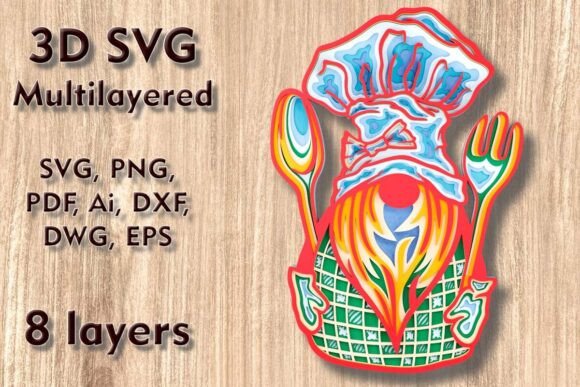
When I first pulled up the Gnome Chef 3D SVG Multilayer Laser Files on my screen, my immediate reaction wasn't to think about laser cutting, but rather how this specific aesthetic could translate into a high-value machine embroidery design. As a designer who spends most of their day tweaking embroidery files for clients, I look for shapes that have personality without being a nightmare to stitch out. This particular file, with its stated dimensions of 290mm height by 200mm width, presents a robust silhouette that screams "kitchen whimsy." While the source material is technically categorized under Wall Decor and intended for Laser Cutting, the clean lines and distinct layering suggest it could be an excellent foundation for a custom applique design or a dense fill project if adapted correctly.
Visual Personality and First Impressions
The mood this design creates is undeniably cozy and inviting. There is a charm in the "Gnome Chef" theme that resonates well with current home decor trends. Visually, the layout feels balanced. The 8-layer structure mentioned in the file description implies a depth that, in the embroidery world, translates beautifully to layered appliqué or varied stitch types. When I imagine this as a finished product, I see it working exceptionally well on items that need a focal point. It isn't just a cute icon; it has enough visual weight to serve as the centerpiece of a handmade product.
For those of us selling on Etsy or running a small craft business, the visual appeal is half the battle. This design offers strong recognition value. Customers scrolling through listings for personalized gifts or holiday embroidery are drawn to characters with clear definitions. The chef motif adds a narrative element—is he baking bread? Stirring a pot? That storytelling aspect increases buyer engagement. However, as a reviewer, I have to look past the cute factor and assess the technical feasibility for stitching.
Real-World Application: The Apron Project
To truly test the viability of this concept, let's walk through a real-life scenario. Imagine a client orders a set of custom aprons for a boutique bakery. They want something durable, washable, and visually striking. Using the Gnome Chef 3D SVG Multilayer Laser Files as a reference template, I would digitize this into an applique design. The large size (11.4 x 7.9 inches) is perfect for the lower front panel of an adult apron.
In this scenario, the "layers" from the laser file become different fabric choices. The hat could be a red twill, the beard a textured white fleece, and the body a denim blue. This approach mimics the 3D effect of the original laser cut file but uses fabric texture to achieve the depth. For a sweatshirt embroidery project, this same design could be executed using a combination of satin stitch for the outlines and a dense fill stitch for the solid areas. The result is a custom apparel piece that feels premium and tactile, far superior to a simple flat print.
If you are an Etsy seller looking to expand your design assets, this theme fits perfectly into the "Housewarming Gift" or "New Homeowner" niche. It also works wonderfully for tote bag design concepts, where the large surface area allows the details of the gnome's features to shine without feeling cramped.
Technical Considerations and Stitching Challenges
While the potential is high, we must address the constraints. The product description explicitly warns: "be careful in reducing the design, consider thin elements." This is critical advice for any embroidery digitizer. If you attempt to shrink this digital embroidery file concept down to fit a baby embroidery project on a onesie, you risk losing the integrity of the fine details. Thin lines in a laser file might translate to single runs or narrow satin columns in embroidery, which can easily break or get lost on textured fabrics.
When working with stretchy fabric like jersey knits for t-shirts, the density of the stitch becomes a major concern. A design of this magnitude requires significant stabilization. If you are adapting this for a cap or hat, the curved surface adds another layer of complexity. The distortion on a structured cap could warp the gnome's face, making him look lopsided. In such cases, I recommend testing the design on scrap fabric first, specifically using the same stabilizer and thread you plan to use for the final run.
Furthermore, consider the thread colors. High contrast is key here. If you are stitching this onto a dark navy apron, ensure the beard and chef's hat have enough brightness to pop. Conversely, on light fabrics, you need strong outlining to prevent the design from washing out. Always review the stitch density; too many layers of fill stitch can make the garment stiff and uncomfortable to wear, which is a dealbreaker for commercial embroidery projects meant for daily use.
Maximizing Value and Professionalism
The ultimate goal of using a design like this is to elevate your brand consistency and product value. A well-executed Gnome Chef motif signals to the customer that attention was paid to detail. It transforms a generic kitchen towel into a cherished personalized gift. For small shop products, consistency in quality builds trust. If your embroidered patch or appliqué holds up after frequent washing, that customer returns.
It is also worth noting that while the original file is for laser cutting, the aesthetic translates well into printable mockup previews for your online store. Showing potential buyers how the design looks on various backgrounds helps them visualize the finished product in their own homes.
Designer Notes for Success
Before committing to a full production run of Gnome Chef 3D SVG Multilayer Laser Files adapted for embroidery, keep these practical steps in mind:
- Test on Scraps: Never skip the test stitch-out. Check how the running stitch and fill areas behave on your specific material.
- Check Hoop Size: Given the original dimensions, ensure your machine's hoop size can accommodate the design or plan for a multi-hoop setup if you intend to keep the large scale.
- Inspect Small Details: Zoom in on the digitized version. Are the eyes too close together? Is the text (if any) legible?
- Contrast Matters: Test the design in black and white mockups to ensure the shape reads clearly without relying solely on color.
- Licensing Verification: Since the source is a laser file, confirm the licensing terms before selling finished embroidered items or digital adaptations. Ensure you have the rights for commercial embroidery use.
- Fabric Compatibility: Avoid using this complex design on very thin or sheer fabrics unless you use a heavy backing, as the weight of the stitches may cause puckering.
In conclusion, while the Gnome Chef 3D SVG Multilayer Laser Files are built for a different medium, their structural clarity and charming theme offer a fantastic opportunity for creative entrepreneurs. With careful digitizing, appropriate scaling, and a keen eye for fabric selection, this design can become a staple in your lineup of holiday gifts, boutique merchandise, and custom home decor. It is a reminder that good design transcends the tool used to create it; whether cut from wood or stitched with thread, the character of the Gnome Chef brings warmth to any project.