Lily 3d SVG: A Designer's Review for Layered Projects
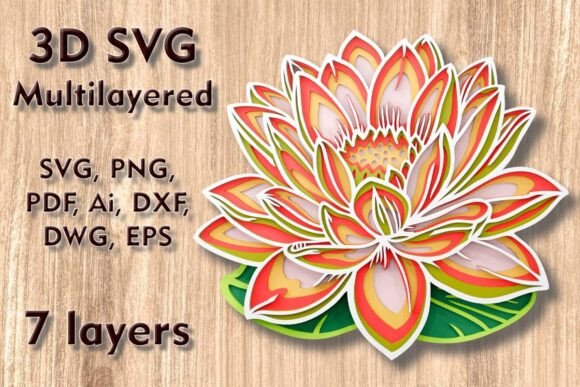
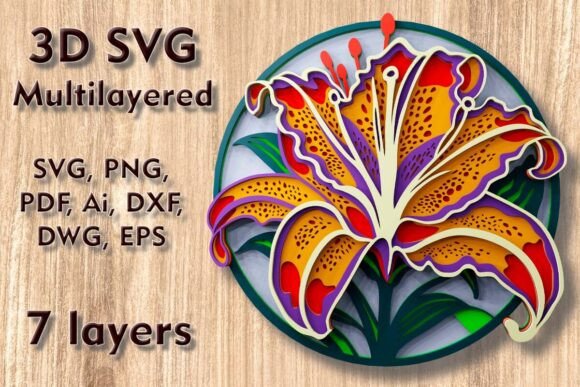
When I first pulled up the Lily 3d SVG Multilayer Cutting Files on my screen, my initial reaction wasn't just about the floral motif; it was about the potential for depth. As a designer who spends half their life staring at vector paths and the other half troubleshooting thread breaks, I look for files that offer more than just a pretty picture. I look for structural integrity in the design logic. This specific lily design, with its seven distinct layers, immediately suggests a project that demands attention to detail. While the product metadata categorizes this under Wall Decor and Laser Cutting for materials like plywood, my mind instantly went to how these layered principles translate into high-end machine embroidery design and mixed-media applications.
The Visual Personality and First Impressions
The mood of this file is elegant yet bold. The silhouette of the lily is classic, but the multilayer approach gives it a modern, dimensional personality. In the world of design assets, flat flowers are a dime a dozen. What sets this apart is the promise of shadow and height. When you visualize this as an embroidery project, you aren't just looking at a satin stitch outline; you are imagining a fill stitch body sitting atop a darker under-layer to create a natural drop shadow effect. The layout is balanced, with petals that flow outward without feeling cluttered. For a craft business owner, this visual weight translates directly to perceived value. It looks expensive, which means you can charge more for the finished product.
Real-World Application: The Boutique Tote Scenario
Let's walk through a real-life scenario where I would deploy this file. Imagine a client runs a small boutique selling organic cotton tote bags. They want a signature item for their summer collection—something that stands out on Instagram but feels substantial in hand. This is where Lily 3d SVG Multilayer Cutting Files shines, provided we adapt the workflow. While the native format is for cutting, the layer separation is a goldmine for embroidery.
I would use the largest layer as a base, stitching it in a contrasting thread color to act as a shadow. Then, I'd align the subsequent layers using different shades of the same color family to build the flower. On a sturdy canvas tote bag design, this creates a tactile experience. Customers don't just see the flower; they feel the ridges where the layers meet. It transforms a simple grocery carrier into a piece of wearable art. If I were creating a printable mockup for an Etsy seller, this dimensionality would be the key selling point in the photos, catching the light and proving the quality of the handmade product.
Navigating Technical Challenges and Fabric Choices
However, enthusiasm must be tempered with technical reality. The product description notes a size of 240 x 240 mm (9.45 x 9.45 in). This is a large footprint. While the size is easily increased, the warning about reducing the design is critical. If you scale this down for a baby embroidery project on a onesie or a small embroidered patch, those thin elements between the layers might vanish or cause thread nesting issues. You must respect the minimum line width inherent in the vector data.
Furthermore, applying a design intended for rigid plywood to flexible textiles requires strategy. On stretchy fabrics like jersey for a sweatshirt embroidery job, seven layers of dense stitching could cause puckering or stiffness that makes the garment unwearable. In these cases, I recommend using a heavy-duty cut-away stabilizer and perhaps reducing the number of active layers if you are manually separating them for stitching. For textured fabrics like linen or waffle weave, ensure your thread colors have enough contrast so the details don't get lost in the fabric grain. Dark fabrics present another challenge; if the design relies on negative space, you may need to add a backing layer of white fabric or thread to make the lily pop.
Enhancing Brand Value and Customer Trust
Why go through the trouble of layering? Because it builds trust. When a customer receives a personalized gift or a piece of custom apparel that utilizes the depth found in Lily 3d SVG Multilayer Cutting Files, they recognize the effort. It signals professionalism. In a market flooded with quick, single-run digitizations, a multi-layered approach shows that the maker cares about brand consistency and aesthetic excellence. Whether it's for holiday embroidery gifts or wedding favors, the clarity of the stitches and the clean separation of layers elevate the item from a craft fair find to a boutique treasure.
This design also works exceptionally well for commercial embroidery projects where durability matters. By distributing the tension across multiple smaller sections rather than one massive fill, you can sometimes reduce the risk of long-term wear and tear, provided the density is managed correctly. For digital embroidery file sellers, offering this as a "layered applique" version could open up a new revenue stream, appealing to those who want to experiment with texture.
Practical Notes for the Serious Maker
Before you commit this design to a client's order, here is my checklist for success:
- Test on Scrap First: Always run a stitch-out on the exact fabric you plan to use. Check how the layers register.
- Check Contrast: Ensure your thread colors provide enough distinction between the seven layers to maintain the 3D illusion.
- Review Density: Seven layers can get thick. Adjust your stitch density settings to prevent the needle from perforating the fabric excessively.
- Confirm Hoop Size: At nearly 10 inches, this design requires a large hoop. Verify your machine's capacity before starting.
- Inspect Details: Look closely at the petal tips. If they are too sharp, they might need manual editing to prevent bird-nesting.
- Mockup Testing: Create black and white mockups to ensure the shape holds up without relying on color cues.
- Licensing Verification: Since this file originates from a laser cutting context, double-check the license terms before selling it as a digital embroidery file or using it for mass-produced small shop products.
In conclusion, Lily 3d SVG Multilayer Cutting Files is a versatile asset that bridges the gap between rigid crafting and textile art. With careful adaptation regarding hoop size, fabric choice, and layer management, it becomes a powerful tool for creating memorable, high-value items. Whether you are decorating a nursery, branding a boutique, or making a statement piece for yourself, this lily offers the depth and sophistication that modern consumers crave.