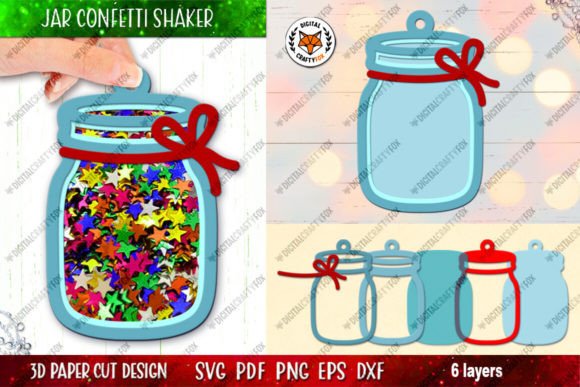
Review: Christmas Jar Confetti Shaker SVG for 3D Projects
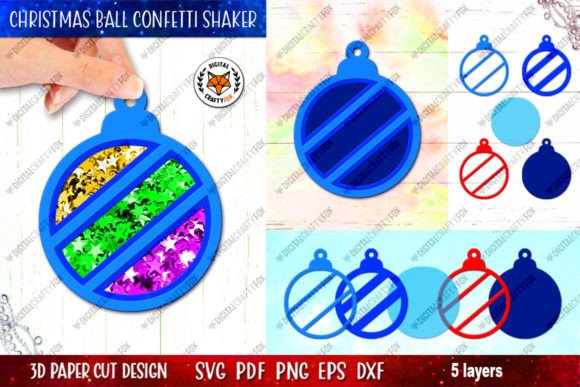
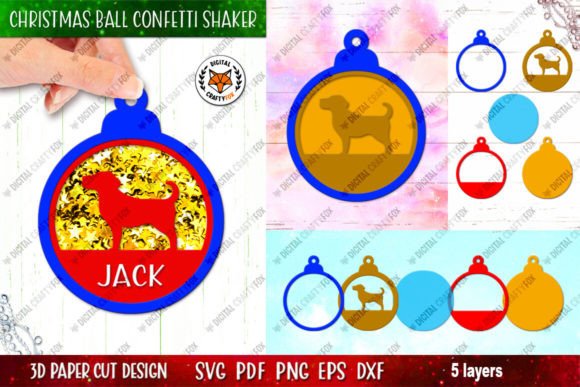
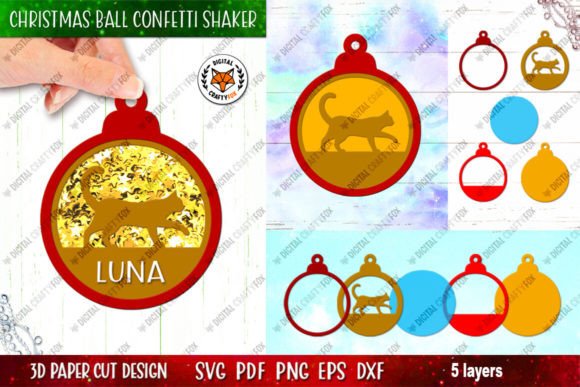
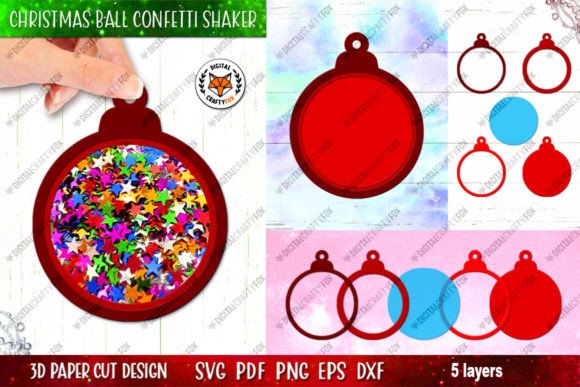
As a designer who spends more time staring at stitch simulations than actual holiday decorations, I approach new design assets with a healthy dose of skepticism. We have all seen files that look adorable on a screen but turn into a tangled mess of thread breaks and puckering on the machine. When I first pulled up the Christmas Jar Confetti Shaker SVG, my initial reaction was curiosity mixed with caution. This isn't your standard flat machine embroidery design; it is pitched as a 3D layered design intended to create depth and movement, specifically mimicking a snow globe or confetti jar effect.
The visual personality of this file immediately sets a whimsical, nostalgic mood. It captures that specific cozy feeling of the holidays without relying on clichéd, over-saturated graphics. The layout suggests a central jar motif, likely surrounded by elements meant to simulate floating confetti or snow. For an Etsy seller or craft business owner, the aesthetic potential here is high. It feels like something that belongs on a boutique tote bag design or a limited-edition sweatshirt embroidery piece for a local shop. However, the promise of "3D" and "shaker" mechanics in an embroidery file requires a deeper dive into how this actually translates to fabric.
Translating Digital Layers to Physical Texture
The product description mentions using thick cardboard, felt, or foam to create the layer that holds the confetti and gives it height. This is where the review shifts from visual appreciation to practical engineering. In the world of commercial embroidery, adding physical height changes everything. If you are planning to use this Christmas Jar Confetti Shaker SVG for a personalized gift like a baby blanket or a delicate baby embroidery project, you need to be extremely careful.
I envision a scenario where a client orders a custom embroidered patch for their winter coat. They want something unique, not just a flat logo. This design could be perfect, provided the "shaker" element is executed with precision. If the design relies on trapping loose confetti between layers, the stitching must be dense enough to seal the edges but not so dense that it creates a hard, uncomfortable ridge against the skin. For apparel, specifically custom apparel like hoodies, the weight of the added foam or felt layers matters. A heavy 3D element on a thin t-shirt will cause the garment to hang awkwardly.
The term 3D SVG often implies vector layers that can be separated for cutting machines, but when applied to embroidery, it usually means a multi-step process involving appliqué techniques. You might be looking at a combination of fill stitch for the jar body, satin stitch for the outlines, and potentially running stitch for securing the internal "confetti" layer. The success of this embroidery project hinges on your ability to manage these different stitch types seamlessly.
Real-World Application: The Holiday Tote Bag Test
Let's walk through a realistic use case. Imagine you are preparing a run of canvas tote bags for a holiday market. You decide to feature the Christmas Jar Confetti Shaker SVG as the centerpiece. Canvas is a sturdy fabric, which is excellent for supporting the extra bulk of a 3D design. Here, the fabric texture works in your favor.
Before committing to the full production run, I would strongly advise testing the design on scrap fabric of the same weight. Check the stitch density. If the jar area is too dense, the fabric might pucker, distorting the circular shape of the jar. If the "confetti" elements are too small, they might get lost or fail to secure properly. In a real-life setting, customers will touch the product. They will want to know if the shaker part actually moves or if it's just a static image. If the design promises movement, the construction must allow for a slight gap or utilize a translucent overlay material that doesn't restrict the visual effect.
For a small shop product, presentation is everything. This design adds a tactile element that increases perceived value. A customer is more likely to pay a premium for a handmade product that offers an interactive experience compared to a standard flat print. However, this also raises the stakes for quality control. A loose thread or a poorly cut foam layer can ruin the illusion and damage your reputation as a professional maker.
Navigating Technical Challenges and Fabric Choices
While the design shines on sturdy materials like canvas, denim, or heavy cotton twill, there are situations where you should proceed with caution. Using this Christmas Jar Confetti Shaker SVG on stretchy fabrics like jersey knit for baby clothes is risky unless you have significant experience with stabilizers. The added weight of the 3D layers can pull on the knit, causing permanent distortion after washing.
Similarly, curved surfaces present a challenge. If you are considering this for a cap or hat, the rigid nature of the 3D layers (cardboard or thick foam) might not conform well to the curve of the crown. It could create uncomfortable pressure points for the wearer. Always consider the end-user's comfort. For items like tea towels or kitchen towel sets that will be washed frequently, ensure that the materials used for the 3D effect are washable and durable. Foam can sometimes degrade or become brittle after multiple wash cycles, and cardboard is generally a no-go for laundered items unless it is a specific water-resistant variety.
Color contrast is another critical factor. The description implies a festive theme, likely involving reds, greens, and whites. When working on dark fabrics, ensure your thread colors pop sufficiently. A printable mockup can help visualize this, but nothing beats a physical test stitch. Sometimes, a design that looks vibrant on a white background gets muddy on navy blue. You may need to adjust the underlay or add a backing layer to make the colors stand out.
Maximizing Value for Your Craft Business
From a business perspective, the Christmas Jar Confetti Shaker SVG offers a unique selling proposition. In a sea of generic holiday designs, a 3D interactive element helps your Etsy listings or craft fair booth stand out. It tells a story of craftsmanship and attention to detail. However, to maintain brand consistency and customer trust, you must be transparent about care instructions. If the 3D element requires spot cleaning only, label the finished product accordingly.
Before selling any items made with this file, verify the licensing terms. Does the license allow for unlimited physical sales? Are there restrictions on using the design for digital products or printable mockups? Never assume; always read the fine print to avoid legal issues down the line. For digital embroidery file sellers, remember that this specific file seems geared towards physical creation (paper cutting, foam layering), so reselling the raw file might not be permitted depending on the creator's terms.
In conclusion, the Christmas Jar Confetti Shaker SVG is a compelling choice for designers looking to elevate their holiday embroidery offerings. It bridges the gap between traditional stitching and modern paper-craft aesthetics. Its success, however, relies entirely on the maker's skill in selecting the right materials, managing stitch density, and choosing appropriate applications. Whether you are creating a one-off wedding gift or a batch of nursery decor, treat this design as a collaborative partner. Test it, respect its limitations, and let its playful spirit inspire your next great handmade product.