Review: Christmas Ball Confetti Shaker SVG for 3D Projects
As a designer who spends more time staring at stitch simulations than I do sleeping during the holidays, I am always skeptical of "shaker" designs marketed for embroidery machines. Usually, they are complicated paper-cuting files disguised as stitching assets. However, after taking a close look at the Christmas Ball Confetti Shaker SVG, I see a distinct potential for high-end holiday merchandise, provided you understand exactly what this file is and how to adapt it for thread.
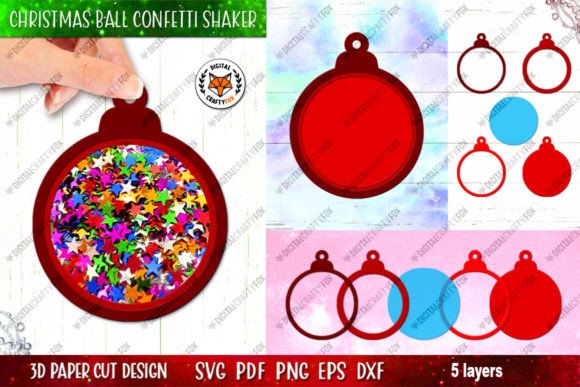
This isn't your standard flat applique design. The product description explicitly mentions it is a 3D layered design intended for paper cutting, utilizing thick cardboard, felt, or foam to create height for the confetti. For us embroidery professionals, this presents a fascinating challenge: how do we translate a structural papercraft concept into a durable machine embroidery design that survives the wash cycle? Here is my practical breakdown of using this asset for real-world client projects.
First Impressions: Visual Personality and Mood
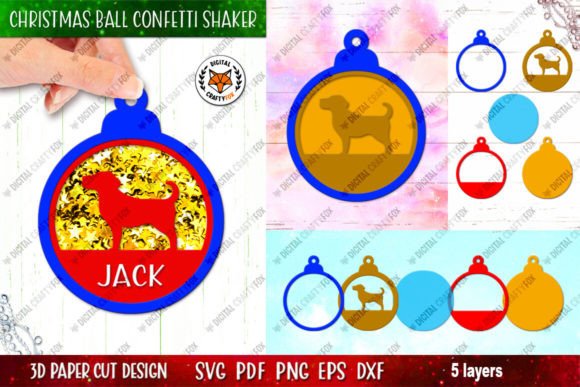
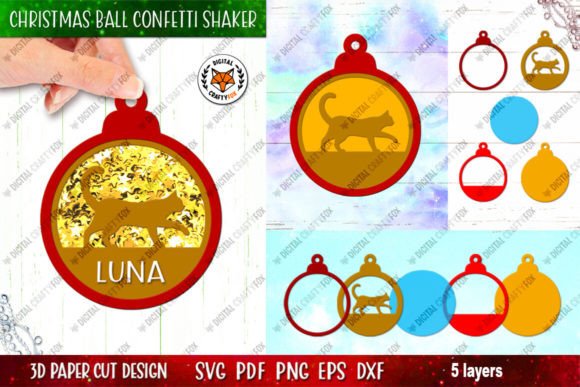
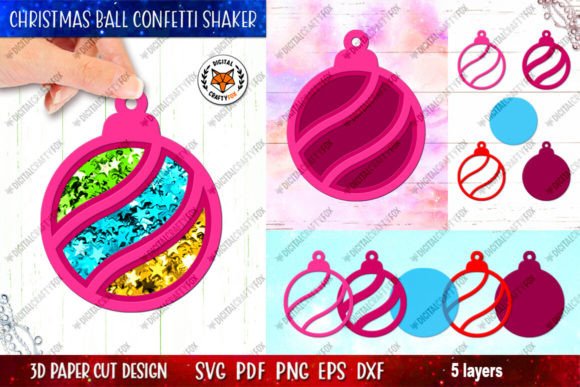
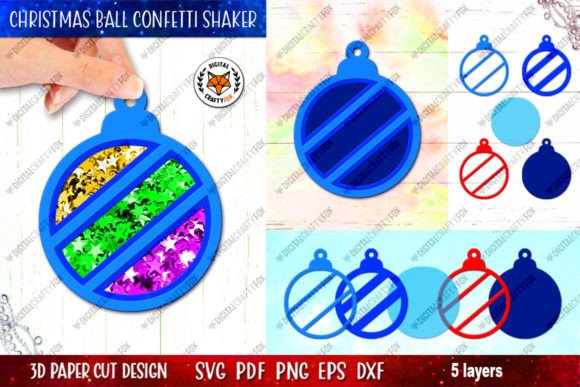
The immediate visual impact of the Christmas Ball Confetti Shaker SVG is playful and interactive. Unlike static holiday motifs, this design promises movement. The concept of a "shaker" inherently draws the eye, making it an excellent choice for products where engagement is key, such as children's wear or boutique home decor. The layout suggests a central sphere filled with dynamic elements, creating a sense of depth that flat satin stitch or fill stitch patterns often lack.
For a craft business owner, the mood here is premium and whimsical. It moves away from the generic "North Pole" aesthetic and leans into modern, tactile design trends. If you are looking to elevate your Etsy seller profile beyond basic monograms, this type of interactive element signals to buyers that you offer something unique. However, because the source file is optimized for layering rigid materials like cardboard or foam, the visual personality relies heavily on your ability to replicate that dimension using textile methods.
Real-World Application: From Concept to Finished Product
Let's imagine a realistic scenario. A client approaches you for a set of matching family sweatshirt embroidery pieces for Christmas morning photos. They want something fun but not childish. This is where the Christmas Ball Confetti Shaker SVG shines if executed correctly. Instead of trying to force the original paper-cutting layers onto a soft fleece, I would adapt the design to create a "faux shaker" effect using clear vinyl and trapped sequins or metallic threads.
In this context, the design works beautifully on a tote bag design meant for carrying gifts. The structure of a canvas tote can support the slight bulk of a 3D element better than a thin t-shirt. For a baby embroidery project, such as a holiday onesie, caution is required. While the visual appeal is high, safety is paramount. You would need to ensure any "confetti" inside is securely sealed within a stitched pocket, preventing choking hazards. For adult custom apparel, like a denim jacket or a structured apron, the design adds a fantastic textural element that feels like a limited-edition handmade product.
If you are selling digital embroidery file adaptations, this asset serves as a great base for creating tutorial content. Showing your audience how to convert a 3D SVG paper craft into a stitched version adds immense value to your brand consistency and establishes you as an expert problem solver.
Navigating Technical Challenges and Fabric Choices
Here is the hard truth: this file was described as being for paper cutting with foam and cardboard. If you attempt to stitch this directly onto a stretchy knit fabric without modification, you will likely face registration issues and fabric distortion. The stitch density required to hold a 3D structure in place can be significant.
You must exercise extreme care when selecting your hoop size. A complex layered design often requires a larger hoop to accommodate the framing of multiple elements. If you are working on curved surfaces like caps or hats, this design is likely unsuitable unless you drastically simplify the layers. The rigidity needed for a shaker effect conflicts with the curvature of a cap.
Regarding fabric texture, avoid slippery silks or very thin linens. The weight of the layered components (even if adapted to felt and vinyl) needs a stable foundation. Heavy cottons, twill, denim, and thick fleece are your best friends here. When working on dark fabrics, ensure your thread colors for the outline have enough contrast to define the ball shape, or the 3D effect will get lost in the background. Always test the design on scrap fabric first. Check how the stabilizer holds up under the tension of the outer edges; a tear-away might not be sufficient, and a cut-away or heavy-duty adhesive stabilizer may be necessary to prevent sagging over time.
Enhancing Value and Customer Trust
Why go through the trouble of adapting a paper-cut SVG for embroidery? Because it increases the perceived value of your finished product. A standard embroidered ornament is nice; an interactive shaker ornament or patch is a conversation starter. This level of detail builds customer trust. It shows that you are not just dumping a file onto a garment but are thoughtfully engineering a personalized gift.
For commercial embroidery projects, this design can be a standout item in a holiday collection. It differentiates your small shop product line from mass-produced retail goods. The "wow" factor of a moving element inside a stitched border can justify a higher price point. However, professionalism dictates that you manage expectations. If the design involves loose elements, you must educate your buyer on proper care—likely hand washing or spot cleaning only—to maintain the integrity of the shaker mechanism.
Essential Designer Notes for Success
Before you commit this design to a client's garment, run through this checklist:
- Verify Licensing: Since the original description mentions paper cutting, confirm with the creator if the license extends to commercial embroidery sales. Do not assume a paper craft license covers physical goods.
- Mockup Testing: Create black and white mockups to check the clarity of the lines. If the details blur in grayscale, they will likely disappear when stitched out.
- Material Substitution: Replace the suggested cardboard or thick foam with embroidery-friendly alternatives like Puffy Foam, stiff felt, or clear vinyl for the window.
- Density Check: Review the digitizing. If you are adapting the SVG yourself, ensure your running stitch outlines are tight enough to seal the confetti chamber but not so dense that they perforate the fabric.
- Wash Testing: Aggressively test a sample. Shake it, wash it, and dry it. If the "confetti" clumps or the layers separate, the design is not ready for sale.
The Christmas Ball Confetti Shaker SVG is a promising asset for the creative entrepreneur willing to put in the technical work. It bridges the gap between papercraft and textiles, offering a unique avenue for holiday embroidery that stands out in a saturated market. Just remember, the file is a starting point, not a finished solution. Your expertise as a designer is what transforms a 3D SVG concept into a cherished, durable keepsake.