Cat Christmas Ball Confetti Shaker Review
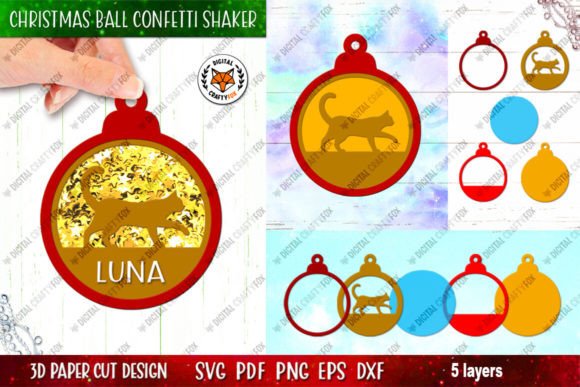
As a designer who spends more time at the hoop than away from it, I approach every new machine embroidery design with a mix of excitement and skepticism. We have all downloaded files that look perfect on the screen but turn into a thread-breaking nightmare once the needle hits the fabric. When I first opened the Cat Christmas Ball Confetti Shaker, my immediate reaction was one of genuine curiosity. This isn't just another flat holiday motif; it is a playful, interactive concept that demands attention. The visual personality here is whimsical yet polished, capturing that specific cozy mood we all chase during the holiday season. It feels less like a generic clipart image and more like a bespoke illustration ready to be translated into thread.
From Screen to Stitch: A Real-World Test
To truly evaluate this design, I needed to move beyond theory and imagine it in a live production environment. Picture this: a local boutique owner approaches you for a limited-run holiday collection. They want something that stands out on social media and offers a tactile experience for customers walking into their shop. This is where the Cat Christmas Ball Confetti Shaker shines. I envisioned this design centered on a high-quality, heavy-weight cotton tote bag or perhaps as a chest logo on a premium fleece sweatshirt.
The layout of the design suggests a natural fit for items where the "shaker" element can be appreciated up close. On a tote bag design, the 3D layered aspect creates a focal point that invites people to touch the product. For a sweatshirt embroidery project, the cat theme adds a touch of humor and warmth that appeals to a wide demographic, from college students to grandparents. The shape is rounded and contained, which works beautifully on curved surfaces, though one must be mindful of how the layers interact with the garment's drape.
Navigating the 3D SVG Complexity
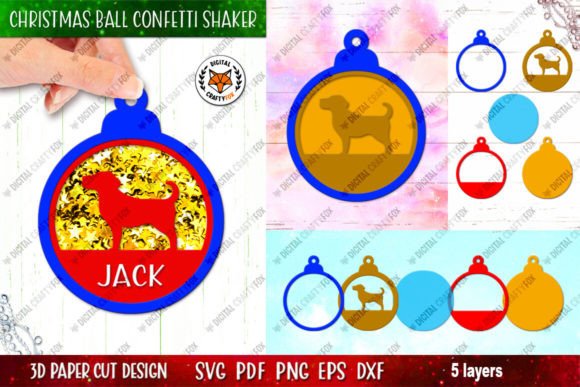
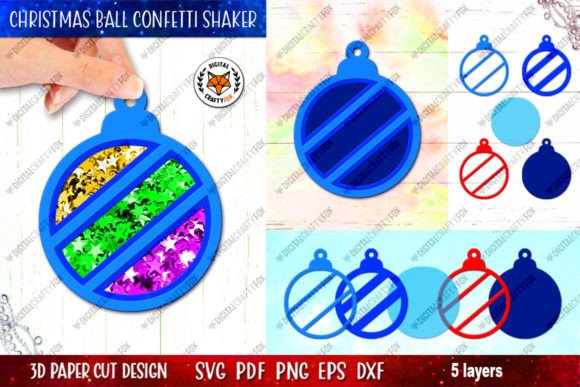
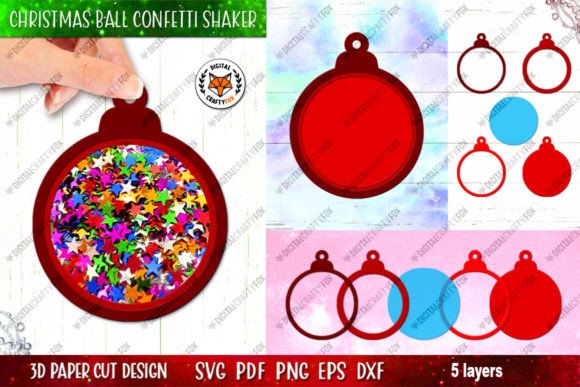
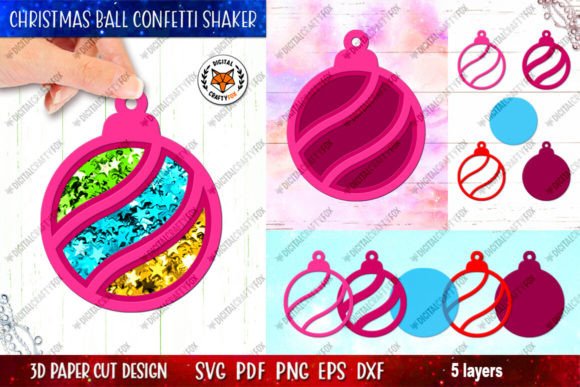
The product description highlights that this is a 3D SVG intended for layered construction, mentioning materials like thick cardboard, felt, or foam to create height and hold the confetti. This is a crucial detail for any embroidery project planner. While traditional machine embroidery relies on stitch buildup for texture, this design explicitly calls for mixed media integration. If you are adapting this for pure stitching without the physical shaker layer, you need to assess the stitch density carefully.
In a real-world scenario, if you are using the design as an applique design where fabric layers replace the digital 3D structure, the clarity of the cut lines becomes paramount. The running stitch outlines must be crisp enough to guide a precise cut, while the fill stitch areas need to be dense enough to prevent the backing from peeking through, especially if you are using lighter thread colors against a dark background. For those attempting the full shaker effect with actual confetti, the engineering of the top layer is vital. It must be secure enough to hold the contents but open enough to allow movement. This requires a keen eye for detail and potentially some manual adjustment to the embroidery file depending on your specific machine capabilities.
Fabric Selection and Technical Considerations
Not every canvas is suitable for a design with this level of intricacy. When working with the Cat Christmas Ball Confetti Shaker, fabric choice dictates success. On thin or stretchy fabrics, the weight of the layered elements—or even just a dense satin border—can cause puckering. I would strongly advise against using this on lightweight rayon or single-knit jerseys unless you are an expert in stabilization.
For best results, pair this design with stable, medium-to-heavy weight materials. Canvas, denim, twill, and fleece provide the necessary foundation. If you are creating an embroidered patch, this is an ideal candidate. The rigid backing of a patch supports the 3D elements perfectly, allowing the "confetti" aspect to function without distorting the surrounding garment. However, if you are stitching directly onto a cap or a structured hat, remember that the curvature limits the usable area. Ensure the outer edges of the ball do not get lost in the seam or become difficult to hoop.
Stabilizer choice is non-negotiable here. Given the potential for multiple layers and the dynamic nature of a shaker design, a cut-away stabilizer is likely your safest bet for long-term durability, especially for items that will see frequent wear or washing. A tear-away might suffice for a wall hanging or a decorative pillow cover that won't undergo rigorous laundering, but for custom apparel meant for daily use, you need that permanent support to maintain the shape of the cat and the integrity of the ball.
Commercial Viability and Brand Impact
For Etsy sellers and craft business owners, the value of a design lies not just in its aesthetics but in its ability to convert browsers into buyers. The Cat Christmas Ball Confetti Shaker has high "giftability." It solves the problem of finding unique holiday embroidery that isn't repetitive. Customers are drawn to interactivity; a design that moves or changes slightly when handled creates an emotional connection. This boosts perceived value, allowing you to price your handmade product higher than a standard flat embroidery piece.
However, professionalism is key. Before listing this as a small shop product, you must test it thoroughly. Does the confetti stay inside? Do the thread colors blend well, or do they clash on certain fabric textures? I recommend creating printable mockups to show clients how the design looks on various backgrounds before committing to production runs. Consistency in your finished product builds trust. If one item has loose threads around the cat's whiskers or the shaker window is cloudy, it reflects poorly on your brand.
Final Designer Notes and Best Practices
Before you commit to a large batch of commercial embroidery orders featuring this design, take these practical steps:
- Test on scraps first: Always run a sample on the exact fabric you plan to use. What works on cotton may fail on polyester blends.
- Check color contrast: Ensure the cat features stand out clearly against the ball and the background fabric. Low contrast can make the details muddy.
- Verify hoop size: Confirm that the design fits within your available hoop dimensions without needing excessive re-hooping, which can lead to alignment issues.
- Inspect small details: Zoom in on the digital file. Are the corners sharp? Is the text (if any) legible at the intended size?
- Review licensing: Since this is a specialized design, double-check the license terms regarding digital embroidery file usage. Can you sell the finished physical items? Are there restrictions on the number of units?
- Consider the audience: While great for baby embroidery due to the cute theme, ensure no small parts (like actual loose confetti) pose a choking hazard if the item is for infants.
The Cat Christmas Ball Confetti Shaker is a standout piece that bridges the gap between traditional stitching and modern, interactive craft. It requires a thoughtful approach to materials and construction, but the payoff is a personalized gift or retail item that feels truly special. By respecting the technical requirements of the 3D elements and choosing the right applications, you can turn this design into a centerpiece of your holiday collection. It is a reminder that in our industry, the most memorable projects are often the ones that invite a little bit of play.