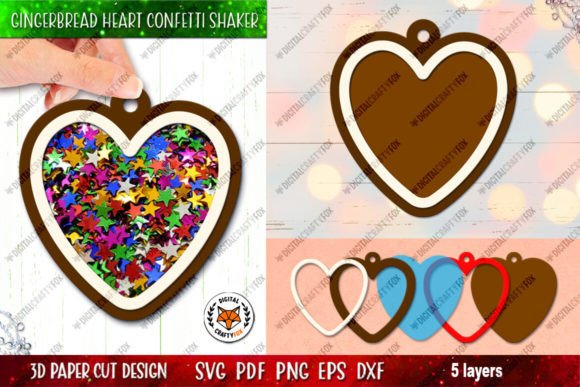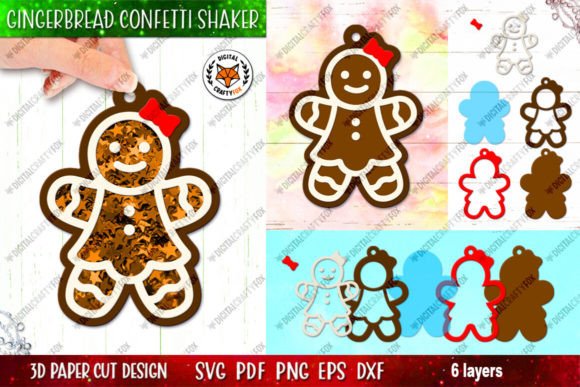
Gingerbread Girl Confetti Shaker SVG Review
As a designer who spends more time hooped up at the machine than anywhere else, I approach every new digital embroidery file with a mix of excitement and skepticism. We have all been burned by beautiful preview images that turn into thread nests on the actual garment. So, when I first pulled up the Gingerbread Girl Confetti Shaker SVG, my immediate reaction was to look past the cute holiday theme and analyze the structural integrity of the design. This isn't just a flat graphic; it is marketed as a 3D layered design intended for paper cutting and shaker elements, which immediately raises questions about how it translates to fabric and thread.
First Impressions: Mood and Structural Personality
The visual personality of this design is undeniably festive. It captures that whimsical, nostalgic mood perfect for holiday embroidery. The concept of a "confetti shaker" suggests movement and interactivity, which is a fantastic hook for any handmade product. However, from a technical standpoint, the transition from a paper-cutting asset to a stitch-out requires careful consideration. The lines are clean, suggesting a modern aesthetic that avoids the cluttered look of older, overly dense designs. For a craft business owner, this visual clarity is gold; it means the finished item will look professional rather than homemade in the negative sense.
When evaluating the layout, the balance between the gingerbread figure and the surrounding confetti elements feels intentional. It doesn't scream for attention but invites a closer look. This subtlety makes it versatile. It could easily sit on a high-end boutique sweatshirt or a rustic kitchen towel without feeling out of place. The "3D" aspect mentioned in the description implies depth, which in embroidery terms usually means we are looking at potential applique layers or specific fill techniques to create shadow and dimension.
Real-World Application: From File to Finished Product
Let's talk about where this design actually shines. I recently envisioned using this for a custom sweatshirt embroidery project for a client who wanted something unique for her daughter's Christmas party. The idea was to create a focal point on the chest that felt tactile. Because the Gingerbread Girl Confetti Shaker SVG relies on layering, it offers a great opportunity to play with texture. If you are adapting this for fabric, you might use felt for the base layers to mimic the "thick cardboard or foam" suggestion in the original description, giving it that plush, toy-like quality.
For Etsy sellers and small shop product creators, this design has high giftability factor. Imagine this stitched onto a canvas tote bag design filled with actual candy or small treats, or perhaps as an embroidered patch that can be ironed onto a denim jacket. The interactive nature of a "shaker" concept—even if simulated through stitching techniques like trapunto or raised foam—adds value. Customers are willing to pay a premium for items that engage the senses. A flat design is nice, but a design that implies depth and fun creates an emotional connection.
In terms of custom apparel, this works exceptionally well on stable fabrics. A heavy cotton blend or a fleece hoodie provides the necessary support for the layered look. If you are aiming for baby embroidery, the soft, rounded shapes of the gingerbread girl are safe and appealing, provided you manage the density so it doesn't irritate sensitive skin. The design's charm lies in its ability to look like a little character coming to life, which is perfect for nursery decor or personalized holiday gifts.
Technical Challenges and Fabric Considerations
However, we must address the elephant in the room: the complexity of translating a 3D paper concept to embroidery. The original description mentions using thick cardboard, felt, or foam for the layer holding the confetti. In embroidery, we cannot simply glue cardboard behind a hoop. To achieve this effect, you need to be strategic about your stitch density and stabilizer choice. If you attempt this on a stretchy fabric like a thin jersey t-shirt without proper backing, the weight of the layered stitches could cause the fabric to pucker or distort over time.
Curved surfaces present another hurdle. If you plan to put this on a cap or a structured hat, the flat nature of the SVG layers might not conform well to the curve unless the design is small enough or broken down into smaller applique sections. Tiny details, especially those meant to represent "confetti," need to be scrutinized. Will they stitch out clearly, or will they become a blob of thread? This is where testing on scrap fabric is non-negotiable. You need to verify that the running stitch outlines and fill stitch areas hold up under the tension of the machine.
Dark fabrics offer a great contrast for the gingerbread tones, but you must ensure your thread colors are vibrant enough to pop. A dull brown on a black sweatshirt will disappear. Conversely, on light fabrics, you need to ensure there is no show-through from the stabilizer or underlying layers. The "shaker" element implies a window or an open space; in embroidery, this often means satin stitch borders around an open area or a clear vinyl overlay, which adds another layer of technical difficulty regarding hoop size and framing.
Enhancing Brand Value and Customer Trust
Using a distinctive design like the Gingerbread Girl Confetti Shaker SVG can significantly boost your brand consistency. When customers see a cohesive, well-executed theme across your printable mockup galleries and actual finished product photos, it builds trust. It shows that you care about the details. A sloppy stitch-out on a complex design tells a customer you cut corners; a crisp, well-density-managed version tells them you are a professional.
For commercial embroidery projects, the perceived value of this design is high. It looks like something that required thought and skill, not just a default font stitched out. This perception allows you to price your items higher. Whether it is a limited edition holiday run for a local boutique or a personalized gift for a family, the uniqueness of the "confetti" theme sets it apart from the sea of generic snowflakes and trees.
Practical Notes for the Serious Maker
Before you commit to a full production run, here are my practical recommendations. First, treat the file as a starting point. Since the source material mentions paper cutting and foam, you may need to adjust the embroidery file settings to suit textile constraints. Check the hoop size requirements carefully; layered designs often need larger hoops to accommodate the framing of multiple elements.
- Test on Scraps: Always stitch a sample on the exact fabric you intend to sell. What works on quilting cotton might fail on fleece.
- Stabilizer Strategy: Given the potential weight of layered elements, use a cut-away stabilizer for longevity, especially on garments that will be washed frequently.
- Contrast Check: View your design in black and white mockups to ensure the values separate correctly. If the confetti blends into the background, adjust your thread palette.
- Licensing Verification: Since this is a specific creative asset, confirm the licensing terms. Can you sell the physical embroidered item? Can you sell the digitized version? Never assume.
- Density Audit: Look closely at the small corners and tight curves. If the stitch count seems too high for the area, reduce the density to prevent bird nesting.
In conclusion, the Gingerbread Girl Confetti Shaker SVG is a charming asset with significant potential for creative entrepreneurs who understand how to adapt 3D concepts to 2D stitching. It demands respect for the medium—fabric behaves differently than paper—but with the right applique design techniques and thoughtful execution, it can become a standout piece in your holiday collection. It is not just a file; it is an invitation to create something tactile, memorable, and distinctly handmade.