Candy Cane Confetti Shaker: 3D SVG Christmas Ornament
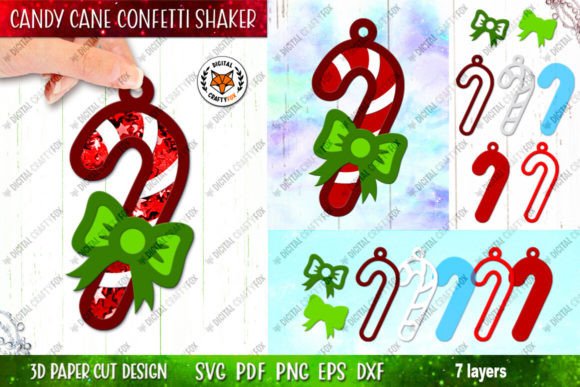
As a graphic designer constantly vetting assets for client campaigns, my first impression of the Candy Cane Confetti Shaker Ornament was one of immediate tactile potential. In an industry often dominated by flat, two-dimensional vectors, this 3D SVG stands out because it demands interaction. It isn't just a static image; it is a structural blueprint for joy. The visual mood it creates is playful, nostalgic, and undeniably festive, perfectly capturing the whimsical spirit of the holiday season without feeling cluttered or outdated. For a designer working on a project for a handmade business or a boutique brand looking to launch a seasonal product line, this asset offers a unique opportunity to bridge the gap between digital design and physical craft.
Evaluating the Asset for Real-World Client Projects
I recently reviewed this file while developing a visual concept for a local artisan shop planning their December pop-up event. The client needed a hero graphic that would work across social media graphics, packaging design, and in-store signage. The Candy Cane Confetti Shaker immediately fit the brief because of its layered complexity. Unlike standard clipart, this illustration suggests depth. The design implies movement through the "confetti" element, which translates beautifully into marketing visuals where stopping the scroll is essential. When placed against a clean background, the ornament acts as a focal point that draws the eye, creating an emotional appeal that generic holiday icons simply cannot match.
For brand owners and content creators, the versatility of this graphic design asset is its strongest selling point. I tested the file in several scenarios relevant to modern design workflows. For print-on-demand sellers, the layered nature of the file allows for creative sublimation designs where different layers can be printed in varying opacities to simulate depth on mugs or tote bags. For Cricut users and crafters, the file is a goldmine. The description hints at using thick cardboard, felt, or foam to create the shaker effect, and the SVG paths are clean enough to support precise cutting. This makes it an ideal candidate for an Etsy product listing targeting the DIY community who want to create their own 3D Christmas toy ornaments.
Strategic Applications in Marketing and Branding
When considering where this asset performs best, large layout areas and hero graphics are the obvious winners. On a website homepage or a Pinterest pin, the intricate details of the 3D layered design shine. It works exceptionally well as a decorative accent on packaging design, perhaps stamped onto a gift box or used as a seal on a holiday mailer. For small business branding, incorporating this element into a limited-edition logo lockup can signal a special seasonal collection without requiring a full rebrand. It adds a layer of polish and thoughtfulness that customers associate with high-quality, curated goods.
However, professional judgment dictates knowing where not to use such a detailed asset. In crowded layouts or small sizes, such as a favicon or a tiny Instagram story sticker, the fine lines of the confetti and the layering might lose definition. If your client requires very clean visual hierarchy for corporate materials, this whimsical ornament might be too busy. It is not suitable for minimalist branding where negative space is key. In low-contrast designs, the subtle differences between the layers could vanish, reducing the impact of the 3D SVG structure. Designers must ensure that the background provides enough contrast to let the candy cane stripes and the confetti elements pop.
Technical Performance and Designer Notes
Before approving any digital product for a commercial design project, I run a series of technical checks, and this asset held up well under scrutiny. Here are my practical notes for fellow designers:
- Contrast Testing: Always test the asset in black and white first. This reveals if the visual hierarchy holds up without relying on color. The candy cane stripes maintained their definition, ensuring readability even in monochrome applications.
- Scalability: Preview the file at both very small and very large sizes. While it excels as a large focal point, ensure that the smallest confetti pieces do not disappear when scaled down for mobile web design or small product labels.
- File Integrity: Inspect the SVG code. Clean paths are crucial for cutting machines like Cricut or Silhouette. This file appeared well-organized, making it easy to isolate specific layers for custom coloring in software like Illustrator or Canva.
- Material Simulation: Since this is designed for paper cutting and layering, visualize how it looks with different textures. Imagine the top layer in glossy vinyl and the spacer layer in matte felt. This mental mockup helps in creating compelling product mockups for clients.
- Typography Pairing: Compare the ornament with various font styles. It pairs surprisingly well with bold sans serif fonts for a modern look, but truly sings when matched with a playful script font or a handwritten font that mimics the casual vibe of a handmade gift. Avoid stiff, corporate serif fonts that might clash with the toy-like nature of the design.
Final Verdict on Commercial Viability
The Candy Cane Confetti Shaker Ornament is more than just a holiday decoration; it is a versatile tool for storytelling in design. For marketers and publishers, it offers a way to inject personality into editorial design and digital ads. For digital sellers, it represents a high-value item in a design bundle that appeals to the lucrative crafting market. The ability to create a physical 3D Christmas toy from a digital file adds significant perceived value to any project.
Ultimately, this asset succeeds because it understands the assignment. It delivers on the promise of a Christmas Candy Cane Confetti Shaker by providing the necessary structural elements for a successful build while remaining flexible enough for 2D applications. Whether you are creating a Canva template for holiday planners, designing a sticker sheet, or developing a comprehensive brand identity for a seasonal campaign, this illustration provides the polish and charm needed to engage audiences. Just remember to review the commercial license terms before integrating it into client work, ensuring that your usage aligns with the creator's permissions. When used strategically, this creative design element can elevate a standard holiday project into a memorable brand experience.